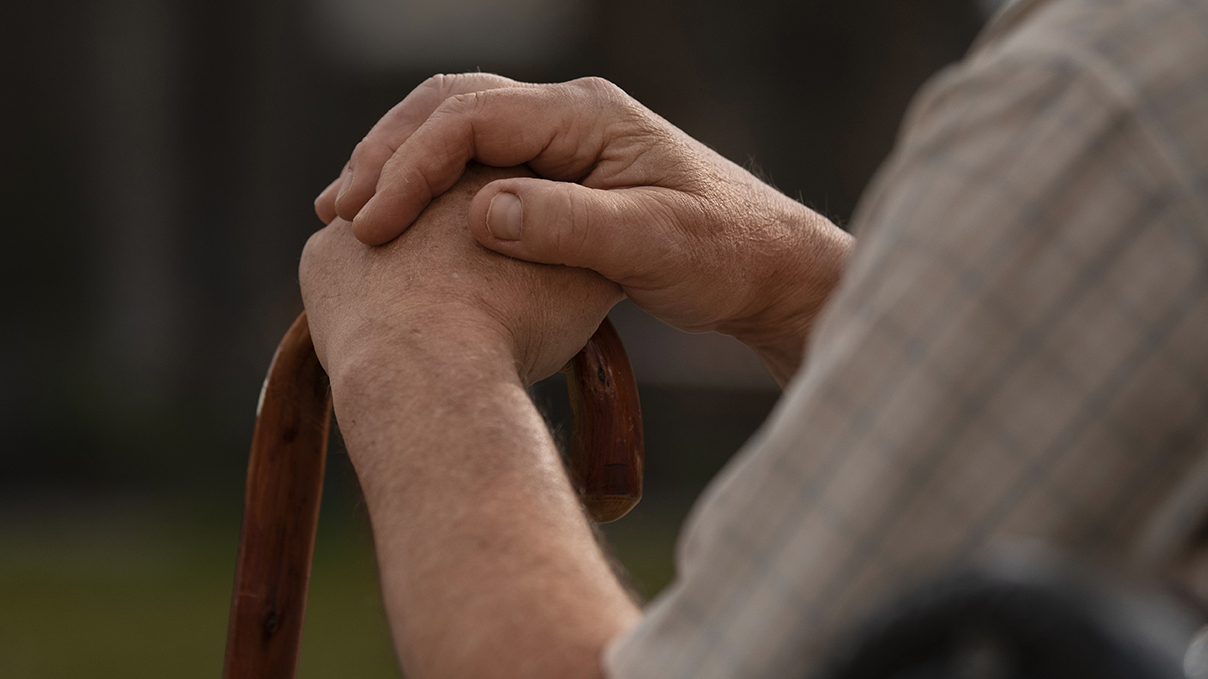
Palliative Dental Hygiene Oral Care is the concept of providing compassion, support, and care for persons’ oral health as they progress through their chronic illness and disability so that they may live as fully and comfortably as possible until the end-of-life. There comes a point when for the sake of oral cleanliness and comfort for the person – palliative dental hygiene oral care is the rational choice.
Transition to Palliative Dental Hygiene Oral Care Objectives:
1.Understand challenges of providing oral care as persons’ frailties progress.
2.Recognize the signs of aging, frailty and oral complications manifested in the mouth
3.Demonstrate oral physiotherapy tools
4.Acknowledge the need for inter professional collaboration among all caregivers to provide palliative dental hygiene oral care
| Presenter / Speaker Bio |
| Team 52 Bio
Registered nurse Heather and Lynda have collaborated for over a decade to improve oral care in long-term care homes (LTCHs). In 2010, they initiated a quality improvement (QI) project at a local LTCH, identifying significant deficits in Resident Assessment Instrument (RAI) oral/dental assessments, documentation, and daily oral care practices. This work led to several presentations and a peer-reviewed article in the Canadian Journal of Dental Hygiene (CJDH).
Carolyn had recently initiated her independent mobile dental hygiene practice. She was part of the Ontario Dental Hygienists’ Association (ODHA) LTC advisory committee working on a white paper. Lynda was invited to join. Heather was brought on board as well. Although the white paper was ultimately shelved, the collaboration established a writing group that provided vital support during the COVID-19 pandemic. With dental hygienists barred from LTCHs during this critical time, the group maintained momentum through virtual meetings, critiquing ideas, and writing articles for Wound Care Canada. Notable pieces included “Bleeding Gums, Wounded Gums: The Hidden Wound Epidemic in Our Midst” and “Xerostomia: It’s a Desert in There – Dry Mouth.”
When editors Cindy Amyot and Jennifer Pieren invited Lynda to revise chapter 52, “Palliative Care,” in the Darby and Walsh Dental Hygiene Theory and Practice (6th edition), Heather and Carolyn were essential to the project. The team expanded to include:
• Sue, who pioneered the Confederation College (CC) LTC dental hygiene student placement program and at retirement f became an active Hospice Northwest volunteer and board member.
• Ruth, a late addition to the team brought expertise in community health education and education technology. Ruth also supported CC’s year 3 LTC student practicum at Pioneer Ridge.
With this diverse expertise and knowledge , “Team 52” came together to successfully revise the chapter, reflecting a shared commitment to improving oral care in LTC settings, and implementing palliative dental hygiene oral care. |
REGISTER HERE